

Key Takeaways
- Skipping routine maintenance often leads to repair costs several times higher than the original upkeep expense.
- Water damage from ignored gutters or roof issues is one of the most expensive categories of deferred maintenance.
- A common budgeting guideline is to set aside 1% to 2% of your home's value each year for maintenance.
- Seasonal checklists help homeowners catch small problems before they grow.
- Some repairs require licensed professionals; knowing which tasks fall into that category prevents safety and code problems.
Deferred maintenance
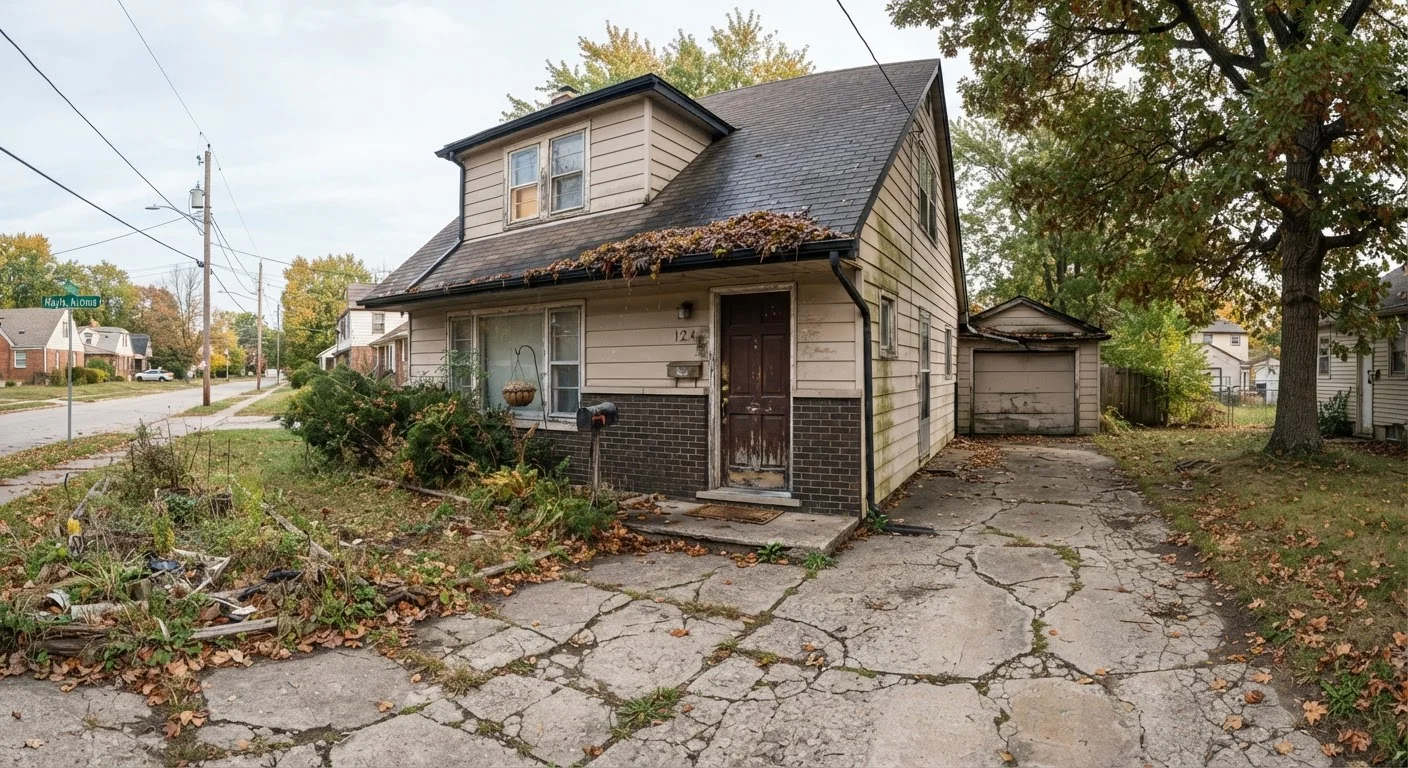
Deferred maintenance refers to upkeep tasks that a homeowner postpones beyond their recommended schedule. Over time, skipped tasks allow minor problems to worsen, often turning a low-cost fix into a major repair. The term is common in property management and real estate valuation.
In real estate, deferred maintenance can reduce appraised home value and complicate mortgage transactions, particularly during buyer inspections.
Why small problems become expensive ones
Most home repair costs do not arrive suddenly. They build quietly while a homeowner waits, intending to get around to something soon. A small roof leak absorbs into the decking, then the insulation, then triggers mold growth. A slow drip under a sink warps the cabinet floor, then damages the subfloor beneath it. The original fix would have cost little; the resulting repair costs far more.
This pattern is consistent across home systems. Water intrusion, in particular, rarely stays contained to its entry point. A single clogged gutter can redirect water toward a foundation, and foundation repairs are among the most expensive work a homeowner will ever face. The connection between the clogged gutter and the cracked foundation wall may not be obvious until a contractor points it out.
Pest damage follows a similar logic. Termites can work inside wall framing for months before any visible sign appears. HVAC systems that go without filter changes or annual servicing lose efficiency gradually, then fail at the worst possible moment, usually during extreme heat or cold when demand is highest and service appointments are hard to schedule.
Start with a simple seasonal checklist
Write down four to six maintenance tasks for each season and schedule them like appointments. This takes the decision-making out of the process and makes it less likely that a task will be quietly postponed. A shared calendar reminder works well for families splitting household responsibilities.
The highest-risk tasks to skip
Not all maintenance carries equal consequence. These categories tend to produce the largest repair bills when neglected:
- Roof and gutter maintenance: Inspecting and clearing gutters each fall and spring, and checking the roof after major storms, can catch failing flashing, missing shingles, and debris buildup before water finds its way inside.
- HVAC servicing: Replacing filters on schedule, typically every one to three months depending on filter type and household conditions, and scheduling annual professional servicing keeps the system running efficiently and extends its lifespan. Electrical components in HVAC systems should only be handled by a licensed technician.
- Plumbing checks: Looking under sinks, around toilets, and near appliance connections for any signs of moisture takes minutes and can catch slow leaks before they become structural problems.
- Exterior caulking and sealing: Gaps around windows, doors, and where different exterior materials meet allow water and air to infiltrate. Recaulking is a low-cost task that improves both weatherproofing and energy efficiency.
- Foundation drainage: Ensuring that soil grades away from the foundation, and that downspout extensions direct water several feet from the house, reduces the risk of water pooling against the structure.
1% to 2%
Recommended annual maintenance budget as share of home value
This guideline appears widely in personal finance and home ownership literature as a baseline for setting aside maintenance funds.
$10,000+
Typical cost range for foundation repair
Foundation repair costs vary significantly by region, soil type, and severity, but major work commonly runs into five figures according to contractor cost databases.
90 days
Average HVAC filter replacement interval
Most HVAC manufacturers recommend replacing standard filters every 60 to 90 days; homes with pets or allergy sufferers often need more frequent changes.
How to build a simple maintenance budget
The 1% to 2% rule is the most common starting point: set aside that percentage of your home's value each year for maintenance and repairs. On a $300,000 home, that is $3,000 to $6,000 annually, or $250 to $500 per month. Older homes and those in climates with extreme seasonal swings typically warrant the higher figure.
If that amount feels unreachable, a monthly contribution to a dedicated account, even a modest one, is better than no buffer at all. The goal is to avoid reaching for a credit card when something breaks. Building a consistent savings habit does not require a large income; it requires a separate account and a recurring transfer, however small.
A seasonal checklist helps convert that budget from abstract savings into planned spending. Grouping tasks by season makes it easier to schedule them and anticipate which months will carry higher costs. Spring typically involves exterior inspection after winter; fall preparation tends to focus on heating systems, weatherstripping, and roof condition before cold weather arrives.
For families already working to reduce household spending, small consistent habits across different budget categories can free up room for maintenance savings without requiring a major income change.
Knowing when to call a professional
Some maintenance tasks are genuinely accessible to a careful homeowner: cleaning gutters, swapping HVAC filters, recaulking, and painting exterior trim. Others carry real safety or legal risk if done without proper licensing. Electrical work, gas line connections, structural repairs, and most roofing projects fall into that category in most jurisdictions.
Before starting any project, check whether your local municipality requires a permit. Unpermitted work can complicate home sales, void insurance claims, and in hazardous cases, create safety problems that cost more to correct than the original repair would have. A good rule of thumb: if the work involves the home's structural integrity, its electrical system, or gas supply, get a licensed professional involved. For a closer look at where the DIY line sits on insulation projects specifically, see our guide to DIY insulation vs. hiring a professional.
When hiring a contractor, ask for written estimates from more than one, verify licensing and insurance with your state's contractor licensing board, and get the scope of work in writing before any payment changes hands. These steps take time but protect against the most common disputes.