

Key Takeaways
- Booking activities at the gate or on arrival typically costs more than planning ahead.
- Free and low-cost activities at many destinations can match or exceed paid ones for family enjoyment.
- Package deals and attraction passes often include experiences families never use, inflating the total cost.
- Eating near popular attractions carries a significant price premium that compounds across a multi-day trip.
- Splitting vacation spending into lodging, transport, and activities as separate budget lines prevents overspending on any one category.
Where activity costs quietly get out of hand
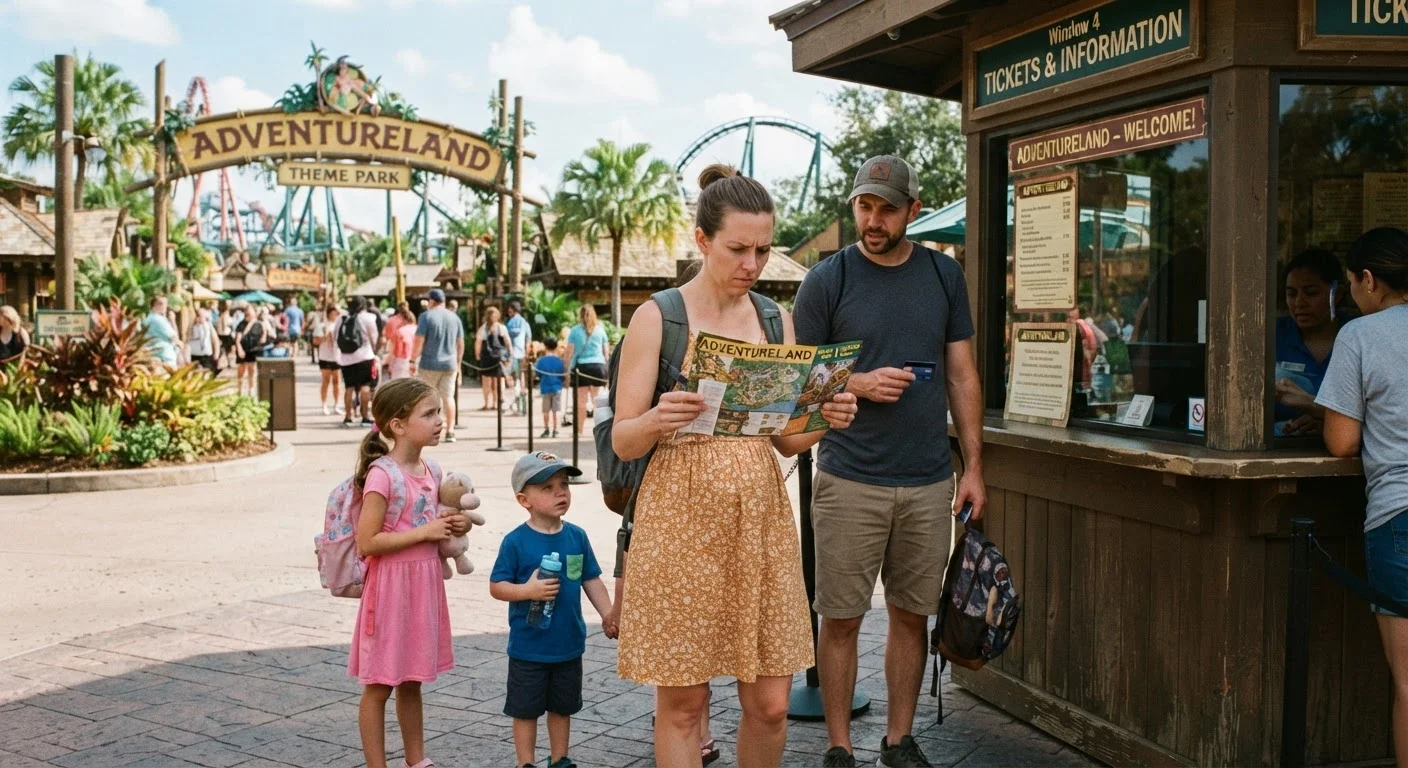
Activities are the budget line that surprises families most. Lodging and flights get planned carefully, but activity spending often runs on impulse once the trip begins. A theme park ticket bought at the entrance, a boat tour spotted on a boardwalk sign, a last-minute escape room for a rainy afternoon: each decision feels reasonable in isolation, but the total at the end of the week rarely does.
The pattern is consistent across destinations. Families arrive with a rough idea of what they want to do, skip the research because "we'll figure it out there," and then pay whatever price is posted. That combination is where most overspending happens. Understanding the specific mistakes makes it much easier to sidestep them.
For families also thinking through lodging costs alongside activities, comparing lodging types by real cost is a good companion exercise, since those two budget lines interact more than most people expect.
Buying activity tickets at the door instead of in advance.
Why it happens: Families often finalize their plans once they arrive and see what looks appealing, so advance purchases feel premature at the planning stage.
Purchasing a multi-attraction pass without checking which attractions are actually included.
Why it happens: City passes and attraction bundles are marketed on the highest-value venues, but the fine print often lists a different set than what families assumed.
Eating every meal near a major tourist attraction.
Why it happens: Hunger hits at inconvenient times, and the closest option is whatever is within walking distance of the activity.
Letting children drive all activity choices without a budget guardrail.
Why it happens: Parents want the trip to feel special and find it difficult to say no when kids are excited in the moment.
Skipping free programming offered by parks, libraries, and visitor centers.
Why it happens: Free programs are rarely advertised as prominently as paid attractions, so families simply do not know they exist.
Paying for activities the family will not realistically finish or enjoy.
Why it happens: Long multi-hour experiences look appealing in a brochure but may not match the actual energy or age range of the group traveling.
What more prepared families do differently
The families who come home without activity-related regret tend to do a few concrete things before they leave. They research the free or low-admission options at the destination first, then build paid activities around those rather than the reverse. A national park entrance, a city beach, a local farmers market, or a self-guided historic walking tour can anchor two or three days at near-zero cost. See which national parks offer free or reduced entry for a practical starting point if outdoor destinations are part of the plan.
~$200
Average daily activity spend per family of four at a theme park
Theme park industry data consistently shows that on-site food, merchandise, and add-on experiences push daily costs well above gate admission alone.
35%
Typical markup on food near major tourist attractions
Travel consumer research has found that restaurants within a short walk of high-traffic attractions price significantly above comparable venues a mile or more away.
Prepared families also set a per-day activity number before departure, just as they set a per-day food number. When kids ask for something unplanned, the answer is grounded in a real figure rather than a vague sense of whether it feels okay. That removes a lot of in-the-moment friction.
One more habit worth building: reviewing what is already included with lodging. Many vacation rentals, state park cabins, and even some hotels provide kayaks, bikes, board games, pool access, and guided nature programs at no extra charge. Checking that list before booking any paid activity avoids paying twice for the same kind of experience. Road trip planning follows similar logic: knowing what you already have access to shapes what you actually need to buy.